

Our picks for you


Granville 60" Concrete Fire Table (OFG121)


Lunar Bowl 42" Concrete Fire Table (OFG101)


Modeno Roca 34" Concrete Fire Table (OFG107)


Modeno York 27" Concrete Fire Bowl (OFG115)


Andes 66" Concrete Fire Table with Built-In Tank Storage (OFG309)


Boulder 43" Outdoor Concrete Fire Table (OFG110)


Modeno Nantucket 27" Concrete Fire Bowl (OFG116)


Modeno Aurora 34" Concrete Fire Table (OFG114)


Malaga Concrete Dining Table w/ Manchurian Ash Legs (FDM-SG)


Kylix 20" Round Concrete Side Table (FEG06)


Daintree 19.3" Stump Side Table for Indoor & Outdoor(FEG08)


Rome 17.7" Round Concrete Side Table (FEG03)


Auckland 19.7" Round Concrete Coffee table(FCG105)


KYLIX 34" Medium Concrete Coffee Table(FCG18)


CHRONOS 34" Medium Concrete Coffee Table(FCG21)


CHRONOS 13.8" Round Small Concrete Side Table(FEG13)


Milano Outdoor Aluminum Lounge Chair with Sunbrella® Cushions (OS2504S)


Newport Powder-Coated Aluminum Swivel Chair with Sunbrella® Cushions(OS2505W-CS)


Newport Powder-Coated Aluminum 3-Seat Sofa with Sunbrella® Cushions(OS2505T-CS)


Newport Outdoor Powder-Coated Aluminum Lounge Chair with Sunbrella® Cushions(OS2505S-CS)


Monaco Powder-Coated Aluminum Patio Swivel Chair - Canvas Canvas Chair with Sunbrella® Cushions(OS2601W-CC)


Monaco 80" Powder-Coated Aluminum Patio Sofa with Sunbrella® Cushions(OS2601T-CC)


Monaco Powder-Coated Aluminum Patio Lounge Chair with Sunbrella® Cushions(OS2601S-CC)


Laguna Outdoor Aluminum 3-Seat Sofa with Sunbrella® Cushions (OS2506T)


Ruber Hose Cover (OPG02-GT)


Wind Screen Window Shield for Lunar Fire Bowl (OFG101-WS&OFG147-WS)


Granville Wind Screen (OFG121-WS)

Hampton Wind Screen (OFG139-WS)

Sonoma Wind Screen (OFG201-WS)


Wind Screen Window Shield for Birmingham & Westport & Aurora & Manhattan (OFG103-WS&OFG114-WS&OFG135-WS&OFG202-WS)


Wind Screen Window Shield for Montreal Fire Table & Rova Fire Table(OFG221-WS&OFG224-WS)


+Colorado 56" Sandstone Fire Table (OFG410SY)


+Copenhagen 42" Marble Porcelain Outdoor Fire Table (OFP101BB)


+Lucerne 42" Light Gray Sandstone Fire Table (OFG419LG)


+Monte Carlo 60" Light Gray Sandstone Fire Table (OFG416LG)


Arden Square Concrete Fire Pit(OFG605-LP)


Boyle 28" Propane Concrete Column Fire Pit (OFG603-LP)


Burlington 34" Propane Concrete Fire Table (OFG303-LP)


Ellington 27" Propane Concrete Fire Table (OFG302-LP)
New Arrivals
Andes 66" Concrete Fire Table with Built-In Tank Storage (OFG309)


Pacaya 44" Concrete Fire Table with Built-In Tank Storage (OFG311)


Rocky 44" Concrete Fire Table with Built-In Tank Storage (OFG310)


Elementi Pro Ravello 72" Concrete Fire Pit Rectangle Fire Table for Outdoor(OFG704)


Rose Bowl 48” Fire Pit 100K BTU Fire Table(OFG702)
Newport Powder-Coated Aluminum Swivel Chair with Sunbrella® Cushions(OS2505W-CS)
Newport Powder-Coated Aluminum 3-Seat Sofa with Sunbrella® Cushions(OS2505T-CS)
Newport Outdoor Powder-Coated Aluminum Lounge Chair with Sunbrella® Cushions(OS2505S-CS)
The creative minds behind our interior design studio


Signature Designs


Rio 48" Round Concrete Dining Table (FDG02)


Malibu Outdoor Aluminum 3-Seat Sofa with Sunbrella® Cushions (OS2502T)


Malibu Outdoor Aluminum Swivel Chair with Sunbrella® Cushions (OS2502W)


+Nimes & colosseo 41" Sandstone Fire Table (OFG414)
Explore limited-time savings on our most-loved collections.


Designed to Endure the Elements
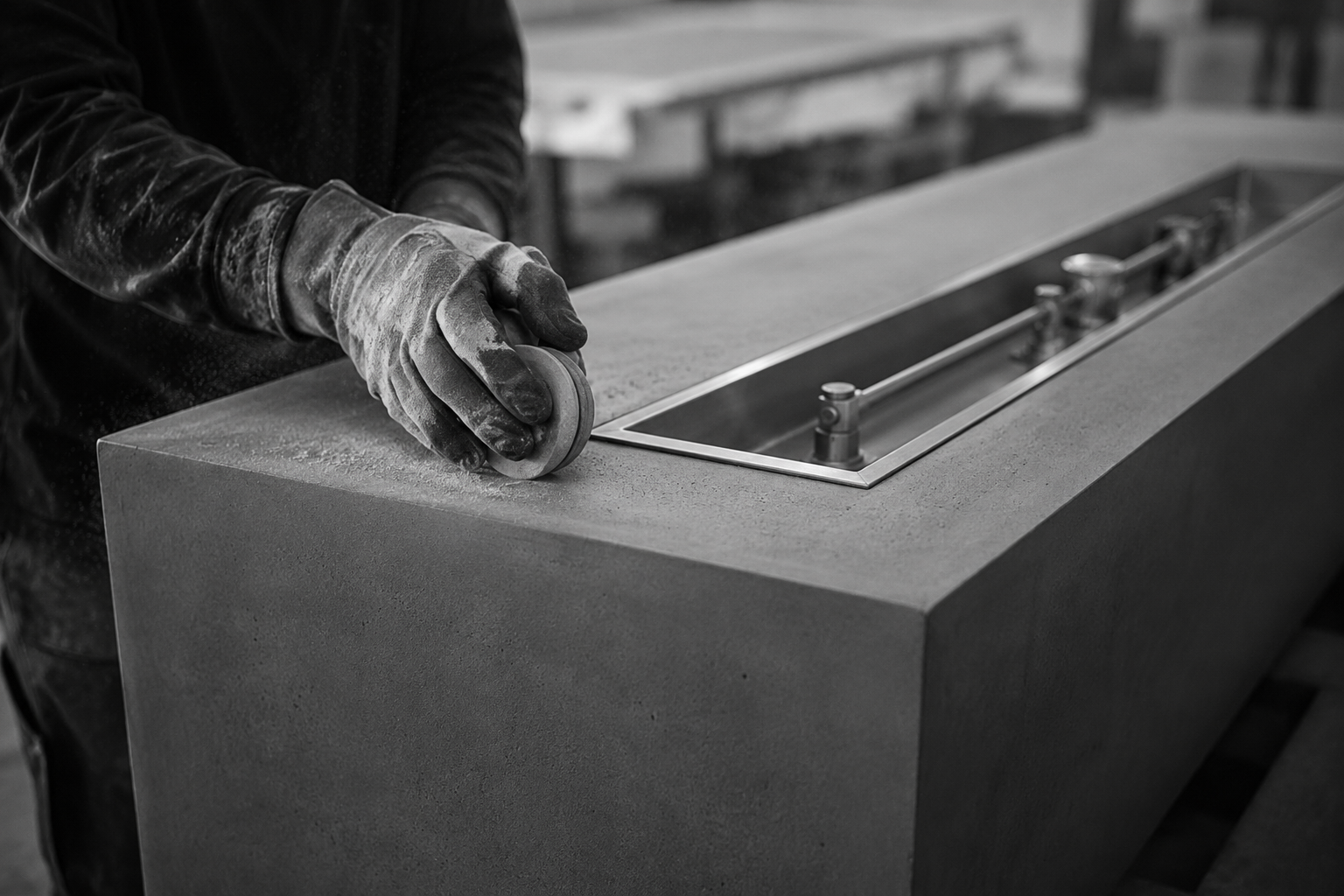
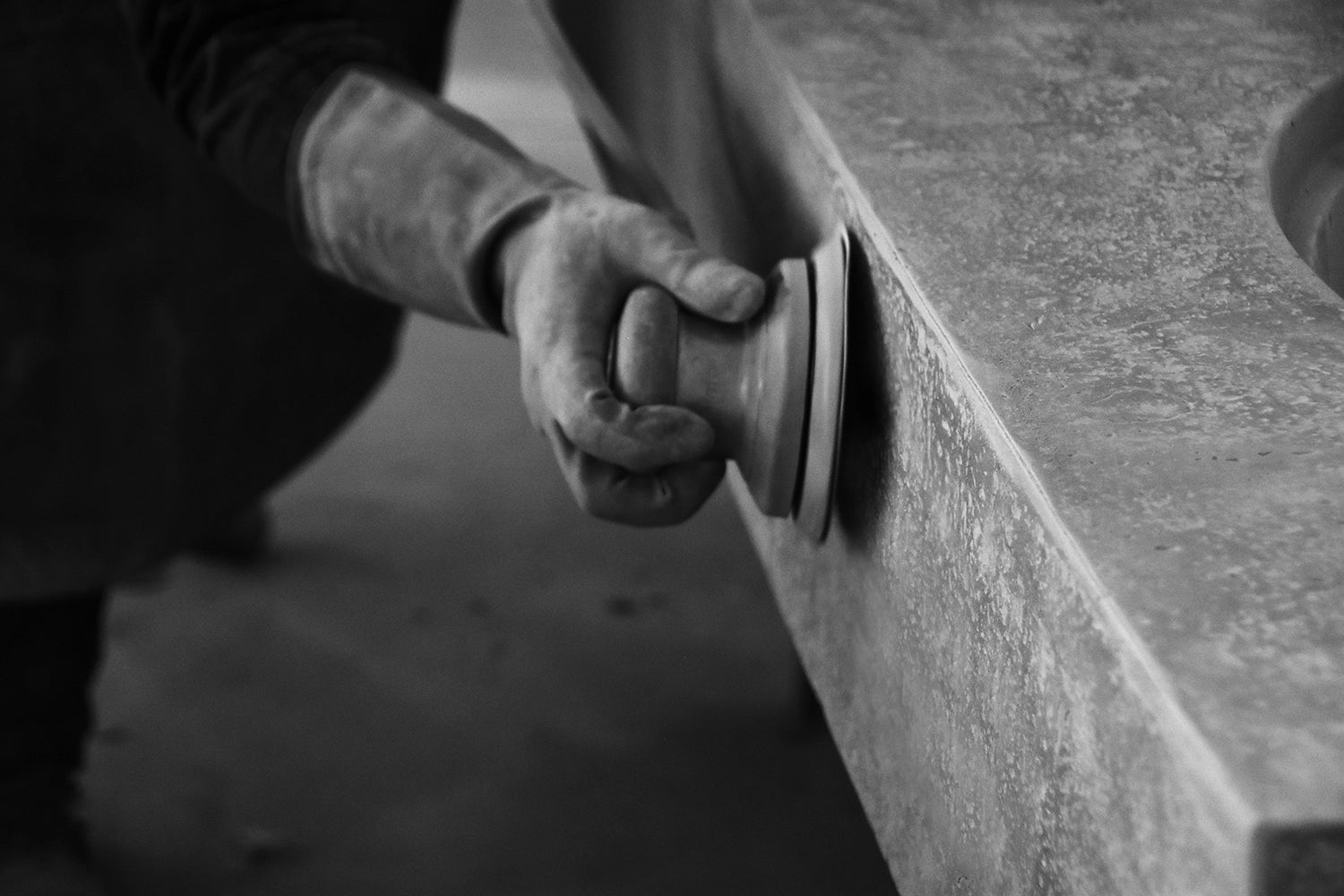
Hand-Finished by Skilled Artisans
People are talking

Krista R. ⭐⭐⭐⭐⭐ 5.0
"I recently purchased an Elementi fireplace and I am extremely satisfied with my purchase. The fireplace not only puts off a perfect amount of heat with its impressive 60,000 BTU output, but it is also easy to install. The quality of the product is exceptional, as it is well-built and durable. The black color and slate finish add a touch of elegance to my outdoor space, making it a perfect addition to my backyard. I highly recommend this product to anyone looking for a stylish, efficient, and easy-to-install outdoor heating."

Michael W. ⭐⭐⭐⭐⭐ 5.0
"We love the fire pit!! Its perfect! Looks great, great quality, easy to hook up, puts out a great flam and heat!!! The company was great to deal with! Made the purchase pleasant and easy!! Definitely recommend this fire pit to anyone!!! You wont be disappointed!"

DGuffey ⭐⭐⭐⭐⭐ 5.0
"After a long time considering what to do with our gazebo we encountered a Elementi Fire Pit located in Gatlinburg TN at a cabin and decide we would buy a Fire Pit to install in out setting, after reviewing numerous Fire Pits we decided to stay with the Elementi Fire Pit because of the design and durability and ease of connecting to our gas source. Best decision we have made. The Fire Pit produces a large amount of heat when needed and looks great in our setting. I would recommend to anyone looking to purchase a Fire Pit to get the Elementi Pit. We have since added several adriondack chairs and Gliders but the Pire Pit sets the mood for anything."

Patte P. ⭐⭐⭐⭐⭐ 5.0
"The Elementi fireplace table is of high quality construction and finish. Very well packaged and was in excellent condition when it arrived. Plugged it into gas outlet and it lit off on first try! Flame profile meets our expectations and produces enough heat for us down to 50 degrees fahrenheit with no wind. After a few weeks of almost nightly use, it has performed perfectly. Could not be happier!"

Andres ⭐⭐⭐⭐⭐ 5.0
"Deliver service so helpful . The unit was packaged very strong to prevent any damage. The unit is hollow inside that makes it so easy to hook up the Gas laying the unit over the top of the riser. Creates a tasteful subtle addition to the yard. Creates a perfect location to gather and converse in that cooler evening."

Nicole S. ⭐⭐⭐⭐⭐ 5.0
"Beautiful fire pit that came with touch up paint Looks like a real tree trunk, giving a hardscape a natural look. There was a small scratch, so I’m glad it came with a tiny bottle of touch up paint. I’ll post another picture soon when completely setup."
Guides & Inspiration

Gas Fire Pit Installation Guide: What to Know Before You Set Up Your Fire Table
A fire table looks simple to set up — roll it into place, hook up a tank, light it. And for most Elementi tables, that's not far off. But the handful of decisions you make before the first flame — where it sits, what it sits on, how it's fueled, how much room it needs — are the ones that determine whether you end up with a fire feature you use every week or one that gets quietly parked in the corner of the patio. We've been building fire tables since 2019, and the questions our support team fields most often aren't about the tables themselves — they're about the fifteen minutes of planning that happens before the box is even opened. This guide walks through that planning process, using real specs from across our own line rather than generic advice that could apply to any fire pit on the market. Important: Always follow the installation manual for your specific model, along with applicable local fire, building, and gas codes. Any natural gas line installation, modification, or conversion work should be handled by a licensed professional. How a Gas Fire Table Actually Works Strip away the finish and every gas fire table runs on the same basic path: fuel source → hose or line connection → burner → ignition → flame, with fire media (lava rock, glass, or ceramic logs) sitting on top to hide the burner pan and diffuse the heat. Where a custom-built, poured-in-place fire pit requires you to source and assemble each of those pieces separately — burner, burner pan, gas valve, ignition, ventilation — a complete fire table like our Lunar Bowl or Manchester arrives with the burner system, ignition, and safety shut-off already built in and tested at the factory. Your job shifts from "build a fire feature" to "place it correctly and connect the fuel." That's a meaningfully shorter list, but it's not a zero-effort one. 1. Start With the Space, Not the Table It's tempting to pick a fire table first and figure out where it goes later. Flip that order. Walk the area where you're considering placing it and take stock of: Existing furniture and how people currently move through the space Nearby walls, railings, or fences Anything overhead — eaves, pergola beams, umbrellas Which direction the wind typically comes from Where your propane tank or gas line will sit Local clearance and permitting rules for your municipality A number that trips people up constantly: our 42" round Lunar Bowl and a 40" square Elementi Plus Uluru occupy roughly the same footprint on paper, but neither one is meant to be shoehorned into a space sized only for the table itself. Add seating and a walking buffer around the perimeter, and a 40–42" table realistically needs a 9–10 ft. diameter zone to feel comfortable rather than cramped — especially with a sectional or L-shaped seating arrangement, where a rectangular table (like our Riviera) needs extra clearance on the long sides for people to get in and out of corner seats. 2. Confirm the Surface Can Take the Weight Every Elementi table is rated for placement on a stable, level, non-combustible surface — concrete, pavers, or natural stone. What catches people off guard is the weight difference between materials. A cast-concrete Manchester table sits around the same range as our lighter GFRC pieces, but step up to the Elementi Plus line and the weight climbs fast: the Elementi Plus Uluru comes in at roughly 206 lbs, and the Lunar Bowl at about 147 lbs. That's not something a raised wood deck or a loose gravel bed should be expected to handle without a second thought about load distribution and long-term settling. Check for standing water, too. Concrete and GFRC handle rain fine, but a low spot where water pools around the base isn't something you want to discover after the first storm. Follow the drainage guidance in your table's manual rather than drilling your own weep holes — GFRC is engineered as a sealed system, and modifying it can void the warranty. 3. Pick the Right Fuel Type for Your Setup Every current Elementi and Elementi Plus table ships in either a liquid propane (LP) or natural gas (NG) configuration — they're built and rated differently, down to the item number (our Lunar Bowl, for example, splits into OFG101LP and OFG101NG). Propane is the simpler path if you don't have a gas line nearby. The Lunar Bowl and most of our round and square tables are built to run off a standard 20 lb. propane tank, connected through the supplied hose and quick-connect fitting. Some models, like the Metropolis, come with a pre-attached 10-ft., 3/8" hose terminating in a ½" brass quick-connect, which is designed specifically for a natural gas hookup rather than a tank — so it's worth checking your model's included hardware before assuming either fuel type will "just work." Natural gas is worth considering for a permanent installation where a line is already run or can be added by a licensed plumber. Don't assume a propane table can be field-converted — Elementi's LP-to-NG conversion kit is rated for specific models up to 45,000 BTUs, and the kit instructions explicitly call for installation by a qualified gas technician, not a DIY swap of the orifice. 4. Get the Clearances Right for Your Specific Model This is the step people most often skip, and it's the one with the most real consequence. There's no single clearance number that covers every Elementi table, because BTU output varies by line. Our original Elementi series runs at 45,000 BTUs (Manchester, Lunar Bowl, Metropolis); step up to Elementi Plus and you're at 60,000 BTUs (Uluru and the rest of the 2022 Plus lineup) — a roughly 33% jump in heat output that changes how far the table needs to sit from walls, railings, fences, and plantings. Pull the clearance spec from your specific model's manual rather than reusing a number from a lower-BTU table you saw somewhere else, and check it against local fire code, since some jurisdictions set their own minimums regardless of what the manufacturer allows. 5. Think Twice About Covered Patios "Can I put this under my covered patio?" is the single most common pre-purchase question our team gets, and the honest answer is: check the model's rated overhead clearance before you assume yes. A roof, pergola, retractable awning, or umbrella overhead changes two things at once — the vertical clearance the flame needs, and the airflow available to carry heat and combustion byproducts away. A covered nook that traps still air is a different environment than an open patio, even if the floor space looks identical. If you're set on a covered location, confirm both the manufacturer's overhead clearance figure and your local code's requirements before installation, not after. 6. Read Your Yard's Wind Pattern Wind doesn't just push the flame around — it changes whether the space around the table is comfortable to sit in at all. Spend an evening in the spot you're considering before committing. Notice whether the breeze tends to blow across the seating area, whether a fence or wall creates a wind tunnel effect at certain hours, or whether the space that felt sheltered at noon turns gusty once the sun goes down. If wind is a persistent issue, a windscreen designed for your specific table (we make one for the Lunar Bowl, for instance) helps stabilize the flame — but it's an accessory to solve a wind problem, not a substitute for choosing a better-sheltered spot in the first place. 7. Know What You Can Do Yourself vs. What Needs a Pro Elementi tables are built so most of the setup is genuinely homeowner-friendly: Choosing and measuring the location Preparing a level, non-combustible surface Positioning and leveling the table Completing whatever assembly your model requires Adding the included lava rock or approved fire glass Connecting to a standard 20 lb. propane tank per the manual Where we draw a hard line — and where our manuals do too — is anything involving a natural gas line: new line installation, extending an existing line, fuel conversion, pressure adjustment, or leak testing on a hard-piped connection. That work should go to a licensed gas technician or plumber, both because it's regulated in most areas and because it's the step most likely to go wrong silently. 8. Match the Gas Supply to the BTU Demand If you're running natural gas, the line has to be sized for the table's draw, not just "big enough to carry gas." A 60,000 BTU Elementi Plus table asks more of a gas line than a 45,000 BTU Manchester does, and undersized lines are one of the most common causes of a flame that starts strong and then weakens as other appliances pull from the same line. This is squarely professional-installer territory — pressure, line diameter, and run length all factor in, and it's not something to eyeball. Propane setups sidestep most of this: a standard 20 lb. tank and the hose that ships with the table are matched to the burner's draw already, which is part of why propane is the lower-friction option for a first fire table. 9. Don't Skip Ventilation Just Because It's Not a Custom Build Propane is heavier than air. If it escapes in an enclosed space — a fully skirted table base with poor airflow, or a fire feature tucked into a tight, walled-in nook — it can pool at ground level instead of dispersing. That's the reason our table bases are designed with the ventilation they have, and it's also the reason you shouldn't add skirting, enclosures, or decorative panels around the base that aren't specifically approved for your model. If your setup calls for an enclosure, follow the ventilation spec in the manual to the letter rather than improvising airflow. 10. Use the Media Your Model Actually Calls For Lava rock isn't just decorative — it sits directly over the burner and affects how evenly the flame distributes. Our tables ship with a specific weight of lava rock (the Lunar Bowl includes roughly 13–26 lbs. depending on version) calibrated to that burner pan. Swap to fire glass and the fill weight changes — the Lunar Bowl needs about 31 lbs. of glass to reach the same coverage the included lava rock provides, because glass and rock don't sit at the same density. Using the wrong quantity, or a media type the manual doesn't list as approved for your model, can leave burner ports partially covered or exposed in ways that affect combustion. When in doubt, check the media spec for your exact model rather than assuming rock and glass are interchangeable one-for-one. 11. Test the System Before You Host Anyone Before your fire table becomes the centerpiece of a dinner outside, run it through a check on its own: Connection — confirm the hose or line connection matches the manual's routing and torque guidance Leak test — soap-and-water test on every fitting before first ignition, and again any time a connection is disturbed Ignition — the push-button spark should fire consistently, not on the third or fourth try Flame pattern — even blue flame across the burner ring, no dramatic yellow tipping or dead spots Clearance check — furniture, cushions, and plantings actually sitting outside the required clearance, not just close to it If you smell gas, see an irregular flame, or suspect a leak at any point, shut off the gas supply and don't relight until the issue is resolved. That's not a step to work around. Common Installation Mistakes Worth Avoiding Picking the spot before checking clearance. A table that fits the footprint doesn't automatically fit the safety zone around it. Assuming every model in the line has the same specs. A 45,000 BTU original-line table and a 60,000 BTU Elementi Plus table don't share a clearance number, weight, or media fill. Treating gas-line work as a weekend project. Line sizing, pressure, and leak testing are professional-installer tasks for a reason. Adding unapproved enclosures or skirting. It can trap gas instead of letting it disperse. Guessing at media fill weight. Rock and glass fill differently — check the number for your model. Ignoring wind until the first cold evening. A spot that looks sheltered at 2 p.m. can be a wind tunnel at 8. Skipping the leak test because ignition worked. A flame lighting successfully isn't the same as a fitting being sealed. Opening the manual after assembly starts. It's meant to be the first document you read, not the one you reach for when something doesn't fit. Installation Checklist Location ☐ Stable, non-combustible surface confirmed ☐ Seating and walking clearance measured, not just table footprint ☐ Required side clearance met for your model's BTU rating ☐ Overhead clearance confirmed if under any structure ☐ Local code and permitting requirements checked Fuel ☐ Correct fuel type confirmed against the model's item number ☐ Propane tank size matches spec (typically 20 lb.) or NG line sized for BTU draw ☐ Any conversion work scheduled with a licensed gas technician Setup ☐ Assembly completed per the model's manual ☐ Correct fire media type and fill weight added ☐ No unapproved skirting or enclosures blocking ventilation Before Lighting ☐ All fittings leak-tested ☐ Ignition tested for consistent spark ☐ Flame pattern checked for even coverage ☐ Clearance zone clear of furniture and plants A Note on Decks and Patios Concrete and paver patios are usually the easiest surface to work with — they're already rated for outdoor loads and don't raise the same questions a wood deck does. Decks need a closer look. A 150–200+ lb. fire table concentrates its weight on a smaller footprint than a dining set does, so it's worth confirming the deck's load rating, not just assuming "it's outdoor furniture, it'll be fine." Combustible decking also brings the clearance conversation back into play even though there's no wood being burned — radiant heat from a 45,000–60,000 BTU burner is still heat. Check your specific model's deck-use guidance before installing there. Frequently Asked Questions Can I install a gas fire table myself? Placement, surface prep, assembly, and connecting to a standard propane tank are typically homeowner-friendly. Natural gas line work, conversions, and leak testing should go to a licensed professional. Do Elementi fire tables need ventilation? Yes — the base is designed with the airflow the burner needs. Don't add enclosures or skirting that aren't specifically approved for your model, since propane is heavier than air and can collect in a sealed space. Can I convert a propane table to natural gas? Only with a compatible conversion kit rated for your model and BTU output, installed by a qualified gas technician — not as a DIY parts swap. How much fire glass do I need instead of lava rock? It varies by model and is usually more than the lava rock fill by weight — the Lunar Bowl, for example, needs about 31 lbs. of glass versus roughly 13–26 lbs. of the included lava rock, depending on version. Check your model's spec before buying. Is a 20 lb. propane tank enough? For most of our propane-configured tables, yes — they're built around that tank size. Larger or higher-BTU tables may draw down a tank faster, so check the run-time spec for your model if you're planning long evenings. Before You Light It None of the steps above are complicated on their own — measure the space, confirm the surface, match the fuel to your setup, respect the clearance for your specific model's BTU output, and test before you use it for real. The one thing that ties them together is planning around your table's actual specs rather than a generic number that happened to apply to a different fire pit. Explore the full Elementi Fire Tables collection to compare fuel configurations, BTU output, and dimensions across the line before you decide where yours is going to live.
Learn more
12 Backyard Fire Pit Ideas That Actually Fit Your Space
Planning a backyard fire pit? These 12 layout ideas — with real Elementi fire table picks for every yard shape — show how to size, place, and style your setup. A fire pit can change how you use a backyard entirely — but the best setup isn't the biggest or most dramatic one. It's the one that fits your space. A round fire table might anchor a cozy conversation area on a wide lawn. A rectangular one might make far better sense of a long, narrow side yard. Neither is "better" — they just solve different problems. Start with your space, not the fire pit itself: how much room you actually have, where people already tend to sit, what else happens in that part of the yard, and how the fire feature will connect to everything around it. Get that right first, and picking the actual table gets a lot easier — we've pulled in real Elementi fire table examples for each layout below so you can see roughly what fits where. 1. Turn a Small Patio Into an Outdoor Living Room A small patio doesn't need its own separate fire pit zone — and trying to carve one out usually just makes the space feel tighter. The better move is to fold the fire pit into the seating you already have. A compact fire table works well between two lounge chairs, in front of a loveseat, or as the centerpiece of a small conversation set — it earns its spot by doing double duty as a side table when the flame's off. Keep the surrounding furniture proportional to the space, and leave a clear path to move through. On a small patio, open floor reads as more valuable than one more chair. Try this: the Manhattan 36" Concrete Fire Table is built for exactly this — a 36 × 36-inch square footprint with 45,000 BTUs, small enough to sit between two lounge chairs without swallowing the patio. Pair it with a loveseat, two lounge chairs, and one small side table. Nothing else — let the patio breathe. 2. Run a Rectangular Fire Table Down a Long, Narrow Yard Long, narrow backyards fight against round seating arrangements, which tend to interrupt the natural line of the yard rather than work with it. A rectangular fire table solves this by following the yard's own shape. Lay out the zones in sequence — house, dining area, fire table, then whatever's at the back of the lot, whether that's a garden bed or a view. Each section gets a job without the yard feeling chopped into disconnected rooms. A rectangular table also pairs naturally with a sectional sofa, since both share the same straight lines. Try this: a long outdoor sofa along one side, the Hampton 56" Concrete Outdoor Fire Table in front of it — its 56 × 32-inch profile is long enough to hold a sectional's full sightline — and a clear walking path behind the seating. The result reads more like an extension of the house than a fire pit dropped into the yard. 3. Build a Dedicated Fire Pit Zone in an Open Backyard A big lawn gives you more freedom, but it can also work against you — a fire pit set in the middle of wide-open space can end up feeling stranded. Give it a boundary instead. Pavers, gravel, stone, a cluster of seating, low planting, or an outdoor rug (where it makes sense) can all define the edges of a fire pit area without a single wall going up. You're essentially building a small outdoor room inside the larger yard, using furniture and ground material instead of construction. Try this: a circular or square seating zone set into the lawn, with a larger-format piece like the Andes 66" Concrete Fire Table anchoring the center — 66 inches long, 60,000 BTUs, with the propane tank built into the base so nothing sits exposed on the lawn. For a yard large enough to need it, the Ravello 72" Fire Pit goes even bigger. Either way, leave enough open perimeter for people to move comfortably. 4. Connect the Fire Pit to Your Outdoor Dining Area Your backyard doesn't need a hard line between "dining area" and "fire pit area" — most people move between the two in the same evening anyway. A fire table is useful here specifically because it does both jobs: dinner surface first, fire feature after. One layout that works well is outdoor kitchen, then dining table, then fire table, then lounge seating. A simpler version skips the kitchen: dining area into fire table into conversation seating. Either way, you get one continuous evening instead of two disconnected zones. Try this: something with real tabletop presence, like the Warren 42" Propane Concrete Fire Table, picks up naturally where a dining set leaves off. Matching the frame finish to your dining furniture — even loosely — is enough to make the two areas feel like one space. 5. Make the Fire Pit Part of Your Poolside Setup A pool already pulls focus, so the fire feature's job is to complement it, not compete with it. The cleanest approach is a separate seating zone off to the side — pool, then lounge chairs, then fire table, then outdoor sofa. Round shapes tend to work best here because they create a natural gathering point without a hard directional line pulling attention away from the water. Try this: the Lunar Bowl 42" Concrete Fire Table — a 42-inch round design at 45,000 BTUs — is sized to sit comfortably off to the side of a pool deck, visible from both the loungers and the nearby seating without blocking circulation around the water. 6. Design Around the View, Not Just the Flame If your backyard has something worth looking at — a garden, a tree line, a lake, a sunset — don't let the fire pit hog all the attention. Angle the seating so people can turn naturally between the fire and the view instead of facing the flame head-on all evening. A round or compact fire feature works well here because it doesn't force one fixed sightline the way a long rectangular table can. Try this: the Columbia 42" Concrete Fire Table is round enough to let seating wrap around it loosely, so people can face the fire or the view depending on where they're sitting. The goal is people, fire, view — in that order — not people, fire, fence. 7. Turn an Unused Corner Into a Fire Pit Nook Not every backyard needs the fire pit dead center. An awkward, underused corner often makes a better spot than the middle of the lawn. An L-shaped sofa or two chairs set at an angle, with a compact fire table between them, turns dead space into the coziest seat in the yard — and it keeps the center of the backyard open for everything else: kids, pets, lawn games, gardening, or extra chairs when people show up. Try this: the Modeno Aurora 34" Concrete Fire Table is compact enough to tuck into an angled seating arrangement without eating much floor space. Treat the corner as a small retreat rather than a formal entertaining spot — add a couple of comfortable chairs, soft lighting, and a bit of greenery, and that's usually enough. 8. Use a Pergola to Frame the Fire Pit Area A pergola gives a backyard a clear architectural boundary when it doesn't already have one, and it works well paired with a fire feature as a secondary focal point. One caution here: never assume a fire table can automatically go under a covered structure just because it's rated for outdoor use. Before you commit to this layout, check the manufacturer's clearance requirements, the fuel type, overhead clearance, and any local fire code or HOA restrictions. These vary by product and by location, so the manufacturer's spec sheet and your local codes should override any general layout advice — including this one. 9. Give the Fire Pit Some Privacy A fire pit gets a lot more inviting once the space around it feels enclosed rather than exposed to a neighbor's window or the street. Tall shrubs, a hedge, ornamental grasses, a few well-placed trees, a privacy screen, or existing fencing can all do the job. You don't need to block the view entirely — a partial screen is often enough to shift the mood from "on display" to "tucked away." Try this: a sandstone-finish piece like the Riviera & Positano 60" Sandstone Fire Table reads more like a natural landscape feature than a manufactured fire pit, which helps it settle into a planted backdrop. Set it in front of a sectional or a run of lounge chairs, centered in the seating — a backyard retreat without a single permit required. 10. Match the Fire Table to What's Already There A fire table doesn't need to match your patio exactly — but repeating one or two materials or tones across the space makes everything feel like it belongs together. Elementi's fire tables come in a real range of finishes — smooth concrete, travertine, slate, wood grain, and natural rock textures, in light gray, dark gray, cream white, marble, and bronze. A few combinations that tend to work: gray pavers with a light-gray smooth-concrete table like the Wilton 35"; warm wood furniture with a neutral gray table so the wood stays the visual accent; or dark furniture with a black-and-white marble finish, like the Copenhagen 42" Marble Porcelain Fire Table, set against a lighter stone patio. You're not trying to color-match everything — just find one or two threads that connect the fire table to the furniture, the patio surface, the house exterior, or the landscaping around it. 11. Keep the Layout Flexible for Everyday Life Your backyard isn't used the same way every day. Four people around the fire one weekend, a dinner party the next, the kids taking over the whole patio the evening after that. That's the case for movable furniture over anything built-in. A freestanding fire table, movable lounge chairs, a sectional that can shift, and a couple of small side tables give you a layout that adapts instead of one that's locked in place. Try this: something lighter and lower-commitment, like the Boyle 28" Propane Concrete Column Fire Pit, moves easily when the layout needs to change — no gas line to trench, just a propane tank. Keep one side of the fire pit area open on purpose, so there's room to pull in extra chairs without rearranging everything else. 12. Plan the Fire Pit Area for After Dark The best fire pit setup isn't only designed for the moment the flame goes on — it's designed for everything that happens before and after: dinner outside, a movie under the stars, a quiet drink with a book. Lighting is what ties those moments together. Layer it instead of flattening everything with one bright source: soft ambient light, path lighting, string lights, a little accent lighting on the plants, and the fire itself as the natural centerpiece. Try this: keep the light immediately around the fire pit low and let the flame be the brightest thing in the frame. A table with a protective lid — most Elementi models ship with a PVC or aluminum cover — also means the same surface can host that afternoon drink before it becomes the evening's fire. How to Choose the Right Fire Pit Layout for Your Backyard Before you shop for a fire pit, spend a few minutes with your actual space. Four questions to work through: How much usable space do you really have? Measure the area where people will actually sit, not the total size of the yard. A big lawn can still have a small usable patio. How many people do you normally have over? A couple might only need two chairs and a compact fire table like the Manhattan 36". A family that hosts often will want a larger footprint from the start — something in the 56–66 inch range, like the Hampton or Andes. What else is happening in that part of the yard? A pool, an outdoor kitchen, a dining table, a patio door, a garden bed, open lawn, a view worth keeping clear — your fire pit should work with whatever's already there, not block it. Do you want something permanent or something flexible? A built-in fire pit becomes part of the landscape. A freestanding table like the Boyle 28" keeps your options open if your needs change later. Neither is the "right" answer — it depends on how you actually use the yard. Heat output is worth a quick word too: most fire tables run 40,000–60,000 BTUs, which covers the majority of backyard use. If you want serious heat for a large, open space, something like a 100,000 BTU model will out-produce the standard range — but more BTUs also means faster propane use, so match the output to the space rather than defaulting to the highest number. For a deeper side-by-side on shape, BTU, and fuel type, our full fire table buying guide walks through those trade-offs model by model. Fire Pit Layout Ideas at a Glance Your Space Layout to Consider Example Elementi Pick Small patio Integrated seating area Manhattan 36" Long, narrow yard Linear arrangement Hampton 56" Large open backyard Dedicated fire zone Andes 66" Poolside Secondary seating zone Lunar Bowl 42" Backyard with a view Seating angled toward the view Columbia 42" Unused corner L-shaped seating Modeno Aurora 34" Outdoor dining area Dining + lounge connection Warren 42" Flexible family yard Movable seating Boyle 28" Privacy-focused space Enclosed seating zone Riviera & Positano 60" Modern patio Coordinated materials Copenhagen 42" Ready to see everything in one place? Browse the full Elementi fire table collection → Before You Buy: 5 Things to Measure A great-looking fire pit can still feel wrong if the space around it is too tight. Before you buy, measure: Available floor space — the actual footprint for the fire feature plus furniture, not just where you'd "like" it to go. Seating footprint — the fire table alone isn't the whole picture; count the chairs, the sofa, and the room people need to get around them. Walking paths — make sure the fire pit doesn't sit in the natural route between the house, patio, pool, kitchen, or garden. Required clearances — always follow the manufacturer's installation instructions; local codes may add further restrictions. Fuel setup — if you're considering propane or natural gas, plan where the tank or gas line connection will actually sit before you finalize the layout. Note that not every model converts between fuel types, so confirm the configuration before you buy. Get these five right, and you avoid the most common mistake: picking the fire pit first and trying to force the rest of the yard to fit around it. The Best Fire Pit Is the One That Fits How You Actually Live There's no single correct backyard fire pit layout. A small patio does well with a compact fire table that pulls double duty as a surface. A long yard often works better with a rectangular design. A big lawn can support a full dedicated gathering zone, while a quiet corner might be all two people ever need. The fire itself is only part of the question. Where will people sit? Where will they walk? What will they be looking at? What happens before the flame goes on, and after it goes out? Answer those first, and choosing the actual fire pit gets a lot simpler. A well-designed fire pit area doesn't need to look staged — it just needs to feel like a natural part of the house, comfortable enough for a random Tuesday and flexible enough for the night everyone ends up outside. Frequently Asked Questions What's the best place to put a fire pit in a backyard? It depends on your layout and fire pit type, but look for a spot with comfortable seating access and clear circulation, while keeping all required clearances from structures and vegetation. Always follow the manufacturer's instructions and local codes. Should a fire pit be in the center of a backyard? Not necessarily. Center placement works well on a large, open lawn, but a corner or patio-edge spot often makes better use of a smaller or more structured yard. What should I put around my fire pit? Outdoor seating, pavers, gravel, stone, landscaping, and appropriate lighting are the standard combination — just make sure materials are rated for proximity to the fire pit and installed to spec. What shape fire pit works best in a small backyard? A compact round or square design, like the Manhattan 36" or Lunar Bowl 42", tends to work best — the real limit is usually how much room is left for seating and movement, not the shape itself. Can a fire pit go on a patio? Many fire pits and fire tables are rated for patio use, but the surface material, fuel type, required clearances, and local codes all matter. Check the product's installation instructions before placing it. How do I make a fire pit area feel cozy? Start with seating close enough for real conversation, then layer in soft lighting, outdoor cushions, plants, and a side table or two — without crowding the space.
Learn more
Best Fire Pit Tables 2026: Top Propane Fire Tables for Your Patio
A fire pit table can do more than bring warmth to your backyard. The right one can become the centerpiece of your patio, define a seating area, and make outdoor entertaining more comfortable long after the sun goes down. But the best fire pit table in 2026 isn't necessarily the biggest, hottest, or most expensive model. The right choice depends on your patio size, seating arrangement, preferred shape, heat output, fuel type, and how you plan to use the space. For many homeowners, a propane fire table for the patio offers an especially convenient setup. Propane doesn't require a permanent gas line, and gas fire tables avoid the ash and wood cleanup associated with traditional wood-burning fire pits. In this guide, we've selected some of the best fire pit table options for different outdoor spaces and priorities—from compact patios and conversation areas to large entertaining spaces and high-output applications. Quick note: These are Elementi's category-based recommendations based on product specifications, design, and intended use. They are not independent hands-on test rankings. Our Top Fire Pit Table Picks for 2026 Category Our Pick Why It Stands Out Best Overall Lunar Bowl 42" Balanced size, heat, and sculptural design Best for Small Patios Manhattan 36" Compact square footprint Best Round Fire Table Lunar Bowl 42" Natural centerpiece for conversation seating Best for Entertaining Hampton 56" Long rectangular design for larger seating areas Best with Built-In Tank Storage Rocky 44" Integrated propane tank compartment Best for Large Patios Andes 66" Large rectangular footprint and 60,000 BTU output Best High-Heat Fire Table Rose Bowl 48" 100,000 BTU output Best Fire Pit Tables of 2026 1. Best Overall: Elementi Lunar Bowl 42" Concrete Fire Table Elementi Lunar Bowl 42" Concrete Fire Table If you want one fire table that balances design, everyday usability, size, and heat output, the Lunar Bowl 42" is a strong all-around choice. Its round 42-inch footprint works naturally as the center of a conversation area, while the handcrafted GFRC construction gives it the substantial appearance of a built-in outdoor feature without requiring custom construction. The Lunar Bowl produces up to 45,000 BTUs and uses a 16-gauge 304 stainless steel burner pan with push-button spark ignition. It is available for liquid propane or natural gas configurations. Why We Like It 42-inch round design Up to 45,000 BTUs Handcrafted GFRC construction 304 stainless steel burner components Push-button spark ignition CSA certified Works naturally with lounge seating and conversation areas Best For Homeowners who want a versatile centerpiece that looks like part of the patio rather than simply an outdoor heater. Keep in Mind A round fire table works best when your seating arrangement allows people to gather around the fire from multiple sides. 2. Best Fire Pit Table for Small Patios: Elementi Manhattan 36" Elementi Manhattan 36" Concrete Fire Table Not every backyard has room for a 60-inch fire table. For smaller patios, balconies, compact backyards, or a four-person conversation area, the Elementi Manhattan 36" Concrete Fire Table offers a more compact footprint without giving up the experience of a full-size gas fire table. The Manhattan measures 36 × 36 × 16 inches and provides up to 45,000 BTUs. Like several Elementi fire tables, it uses handcrafted GFRC and a 16-gauge 304 stainless steel burner pan with push-button spark ignition. Why We Like It Compact 36-inch footprint Square shape works well with symmetrical seating 45,000 BTU output GFRC construction 304 stainless steel burner pan Propane or natural gas options Best For Small patios, compact outdoor seating areas, and homeowners who don't want the fire table to dominate the space. Keep in Mind Before choosing any fire table, measure not only the table footprint but also the space needed for chairs, walking paths, doors, and required clearances. 3. Best Round Fire Table: Elementi Lunar Bowl 42" Round fire tables have a natural advantage when the goal is conversation. Instead of creating a directional seating arrangement, a round fire table allows people to gather around the flame from multiple sides. This makes the shape particularly appealing for lounge chairs, smaller conversation areas, poolside spaces, and open patios. The Lunar Bowl's 42-inch round profile and 45,000 BTU output make it a practical choice for homeowners looking for a balance between visual presence and everyday usability. Best For Conversation areas Lounge chairs Circular seating arrangements Poolside patios Smaller open outdoor spaces If you want a more sculptural look and don't need a large tabletop, a round fire bowl can also be worth considering. 4. Best Propane Fire Table for Outdoor Entertaining: Elementi Hampton 56" Elementi Hampton 56" Concrete Outdoor Fire Table For a longer patio or an outdoor sectional, a rectangular fire table often makes more sense than a round one. The Hampton 56" measures 56 × 32 × 14 inches, giving it a substantial horizontal footprint that works naturally with sofas and sectionals. It provides up to 45,000 BTUs and features a 30-inch-long burner ring, handcrafted GFRC construction, a 304 stainless steel burner pan, and push-button spark ignition. Why We Like It The proportions are especially well suited to the way many American patios are furnished: a long outdoor sofa or sectional with the fire table positioned in front of it. Best For Outdoor entertaining, larger seating arrangements, sectionals, and rectangular patios. Keep in Mind A larger fire table needs enough surrounding space for comfortable circulation. Don't choose the table size independently from your furniture layout. 5. Best Fire Pit Table with Built-In Propane Tank Storage: Elementi Rocky 44" Elementi Rocky 44" Concrete Fire Table One of the biggest practical differences between propane fire tables is what happens to the propane tank. If you don't want a separate cylinder sitting beside your outdoor furniture, a fire table designed with integrated tank storage can create a cleaner-looking setup. The Rocky 44" combines a square GFRC design with built-in propane tank storage and up to 45,000 BTUs. It measures approximately 43.3 × 43.3 × 20 inches and uses a 16-gauge 304 stainless steel burner pan with push-button ignition. Why We Like It The biggest advantage is the way the propane tank is incorporated into the overall design, helping the fire table feel more like a finished piece of outdoor furniture. Best For Homeowners who prioritize: A clean patio appearance Integrated propane storage Square fire table proportions A substantial concrete look Keep in Mind Always verify the tank configuration for the exact model you purchase. Propane storage is not interchangeable between fire tables. 6. Best Fire Table for Large Patios: Elementi Andes 66" Elementi Andes 66" Concrete Fire Table Large outdoor spaces need a fire table with enough visual and physical presence to anchor the seating area. The Andes 66" is designed for that role. At 66 × 32 × 22 inches, it provides a long rectangular footprint and up to 60,000 BTUs. It also incorporates built-in propane tank storage and uses a 16-gauge 304 stainless steel burner pan. Best For Large patios Long sectionals Outdoor entertaining Larger backyard seating areas Homeowners who want higher heat output Why the Size Matters A fire table that is too small can disappear visually in a large outdoor setting. A larger rectangular model can help define the seating zone and create a stronger focal point. 7. Best High-Heat Fire Table: Elementi Rose Bowl 48" Elementi Rose Bowl 48" Fire Table If heat output is one of your highest priorities, the Rose Bowl 48" takes a very different approach from the typical 40,000–60,000 BTU fire table. It is rated at 100,000 BTUs, measures 48 × 48 × 15 inches, and uses GFRC construction with push-button spark ignition and adjustable flame control. Best For Large outdoor spaces Homeowners who prioritize high heat output Spacious patios Hospitality and commercial outdoor settings Statement-making fire features Keep in Mind More BTUs do not automatically mean a better fire table. Higher output also means faster fuel consumption when operating at maximum output. If you primarily want ambiance rather than maximum heat, a lower-BTU model may be more practical. How We Chose the Best Fire Pit Tables There isn't one fire table that is best for every patio. Instead of ranking products based only on price or maximum BTU, we looked at the factors that most directly affect how a fire table works in an outdoor living space. 1. Size and Patio Footprint The first question is simple: How much usable space do you actually have? A compact 36-inch table can make sense for a smaller patio, while a 56- or 66-inch rectangular model may work better in a large entertaining area. But the table itself isn't the only measurement that matters. You also need room for: Seating Walking paths Doors and access points Other outdoor furniture Manufacturer-required clearances A good fire table should complement the space rather than overwhelm it. 2. Shape Round Fire Tables Best for: Conversation areas Lounge chairs Circular seating Smaller open spaces A round design creates a natural focal point and allows people to sit around the fire. Square Fire Tables Best for: Compact patios Symmetrical furniture arrangements Modern outdoor spaces Rectangular Fire Tables Best for: Sectionals Long sofas Larger patios Outdoor entertaining The shape should work with your furniture rather than forcing your furniture to work around the fire table. What BTU Is Best for a Patio Fire Table? BTU is one of the most visible numbers when shopping for a gas fire table, but higher isn't always better. As a general guide: 40,000–45,000 BTU A practical range for many everyday patio applications. 50,000–60,000 BTU A good direction for larger seating areas or homeowners who want more heat output. 100,000 BTU Better suited to applications where high heat output is a priority and the outdoor space can accommodate a larger fire feature. Actual warmth depends on more than BTUs. Outdoor temperature, wind, seating distance, flame height, burner design, and the arrangement of the seating area can all affect how much heat people experience. For a deeper look at propane consumption, see our guide: [How Much Propane Does a Fire Pit Use? A Complete Guide to BTU, Burn Time & Cost] How Long Does a Propane Fire Table Last on a 20 lb Tank? This is one of the most useful questions to ask before buying a propane fire table. At maximum output, a simplified BTU calculation gives approximately: Fire Table Output Approx. Runtime with 20 lb Propane Tank 40,000 BTU ~10.8 hours 45,000 BTU ~9.6 hours 50,000 BTU ~8.6 hours 60,000 BTU ~7.2 hours 100,000 BTU ~4.3 hours These are theoretical estimates at maximum output. Actual runtime varies depending on flame setting, burner design, operating conditions, and the amount of usable propane in the tank. For example, Elementi's 45,000 BTU models provide a useful reference point: the Lunar Bowl and Manhattan are both rated at up to 45,000 BTUs. Read more: [How Much Propane Does a Fire Pit Use?] Propane vs. Natural Gas: Which Is Better? There is no universal winner. Choose Propane If: You don't have a natural gas line You want a more flexible setup You may rearrange your outdoor space You prefer using a standard propane tank Choose Natural Gas If: You already have a suitable gas line The fire table will stay in one location You don't want to refill propane tanks A permanent installation makes sense for your patio Many Elementi fire tables are available in propane and natural gas configurations, but the exact configuration varies by model. Always check the individual product specifications before purchasing. What Makes a Good Propane Fire Table for a Patio? If you're comparing several models, focus on these features rather than simply choosing the highest BTU rating. 1. The Right Size The fire table should fit comfortably within the seating arrangement while leaving enough space for movement. 2. Appropriate Heat Output Choose a BTU rating that matches your climate, seating distance, and intended use. 3. Durable Construction GFRC can provide the substantial look of concrete while being well suited to outdoor fire-table construction. 4. Quality Burner Components A stainless steel burner and burner pan can be important considerations for long-term outdoor use. 5. Easy Ignition Push-button spark ignition makes lighting the fire feature straightforward. 6. Propane Tank Placement If you're choosing propane, decide whether you're comfortable with an external tank or prefer a model designed for integrated tank storage. 7. Safety Certification Look for appropriate safety certification and always follow the manufacturer's installation and clearance requirements. Elementi's current fire-table collection includes a range of GFRC designs, fuel configurations, sizes, and heat outputs, allowing shoppers to choose based on the actual requirements of their outdoor space. Round vs. Rectangular Fire Table: Which Should You Buy? The simplest way to decide is to look at your furniture. Choose Round If: You have lounge chairs arranged around a central point, want a conversational centerpiece, or prefer a softer, more sculptural appearance. Choose Rectangular If: You have a long sectional, want more tabletop surface, or need a fire table that visually anchors a larger rectangular patio. Neither shape is inherently better. The best shape is the one that works with the way people actually move and sit in your outdoor space. Are Concrete Fire Pit Tables Good for Outdoor Use? Yes—when they are designed, installed, and maintained for outdoor use. GFRC, or glass-fiber-reinforced concrete, is commonly used for modern fire tables because it provides a substantial concrete appearance while allowing manufacturers to create relatively refined shapes and profiles. Elementi's fire tables use handcrafted GFRC construction, with stainless steel burner components on the models highlighted in this guide. Like any outdoor concrete product, proper care matters. Use the manufacturer's recommended cleaning methods, protect the table when it is not in use, and follow the product-specific winter storage and care instructions. Fire Pit Table Safety: What to Check Before Buying Before using a fire table, always follow the manufacturer's instructions for the specific model. Pay particular attention to: Required overhead clearance Distance from combustible materials Burner and gas connections Propane tank placement Proper installation Wind conditions Surface requirements Local fire and gas regulations Never assume that a fire table can automatically be used underneath a pergola, umbrella, roof, or other covered structure simply because it is marketed for outdoor use. The manufacturer's manual and product-specific clearance requirements should always take priority. Frequently Asked Questions What is the best fire pit table for 2026? There isn't one best model for every patio. For an all-around balance of size, heat output, and design, the Elementi Lunar Bowl 42" is a strong choice. Smaller patios may benefit from the Manhattan 36", while larger entertaining spaces may be better suited to the Hampton 56" or Andes 66". What is the best propane fire table for a small patio? A compact 36-inch model such as the Elementi Manhattan can be a practical choice. Its square footprint provides a defined central point without taking up as much floor space as larger rectangular fire tables. Is 45,000 BTU enough for a fire table? For many residential patio applications, 45,000 BTUs can provide a useful balance of heat and propane consumption. However, the ideal output depends on outdoor temperature, wind, seating distance, and how much heat you actually want. Is a higher BTU fire table better? Not necessarily. Higher BTU output can provide more heat, but it also consumes propane more quickly at maximum output. The best BTU rating depends on your space and how you use the fire table. How long does a 20 lb propane tank last in a fire table? A 20 lb tank can theoretically provide around 9–11 hours on a typical 40,000–50,000 BTU fire table when operating continuously at maximum output. Actual runtime varies with flame setting and operating conditions. Should I choose a round or rectangular fire table? Choose a round model if your seating is arranged around a central conversation area. Choose a rectangular model if you have a sectional, long sofa, or larger rectangular patio. Are propane fire tables good for patios? Yes. Propane fire tables can be a convenient option for patios because they don't require a permanent natural gas connection and provide fire without the ash and wood cleanup associated with traditional wood-burning fire pits. Can I use a fire table on a covered patio? It depends on the specific fire table, the structure, ventilation, required clearances, and local regulations. Never assume that a covered patio, pergola, gazebo, or umbrella is automatically compatible with a particular fire table. Final Verdict: Which Fire Pit Table Is Right for You? The best fire pit table in 2026 is the one that fits your outdoor space—not necessarily the one with the highest BTU rating or largest footprint. For a balanced everyday centerpiece, the Lunar Bowl 42" is a strong choice. For a compact patio, consider the Manhattan 36". For outdoor entertaining with a sectional, the Hampton 56" provides a longer rectangular layout. If integrated propane storage is a priority, the Rocky 44" is designed around that need. For larger patios, the Andes 66" offers a substantial footprint and 60,000 BTU output. And if maximum heat output is the priority, the Rose Bowl 48" delivers up to 100,000 BTUs. Ultimately, the best propane fire table for your patio is the one that balances size, seating, heat, fuel, design, and everyday usability. Explore Elementi Fire Tables Ready to find the right fire table for your outdoor space? Explore Elementi's collection of concrete and GFRC fire tables in round, square, and rectangular designs, with different sizes, fuel configurations, and heat outputs for patios of all kinds. Explore All Elementi Fire Tables →
Learn more
Free & Fast Delivery
We offer free shipping with ground delivery to the lower 48 states.

Premium Quality Guarantee
Crafted for lasting outdoor performance.

30-Day Easy Returns
Shop with confidence backed by our 30-day return policy.

CSA Certified
Certified for safety, designed for peace of mind.
